
Six Key Principles to Better City Building

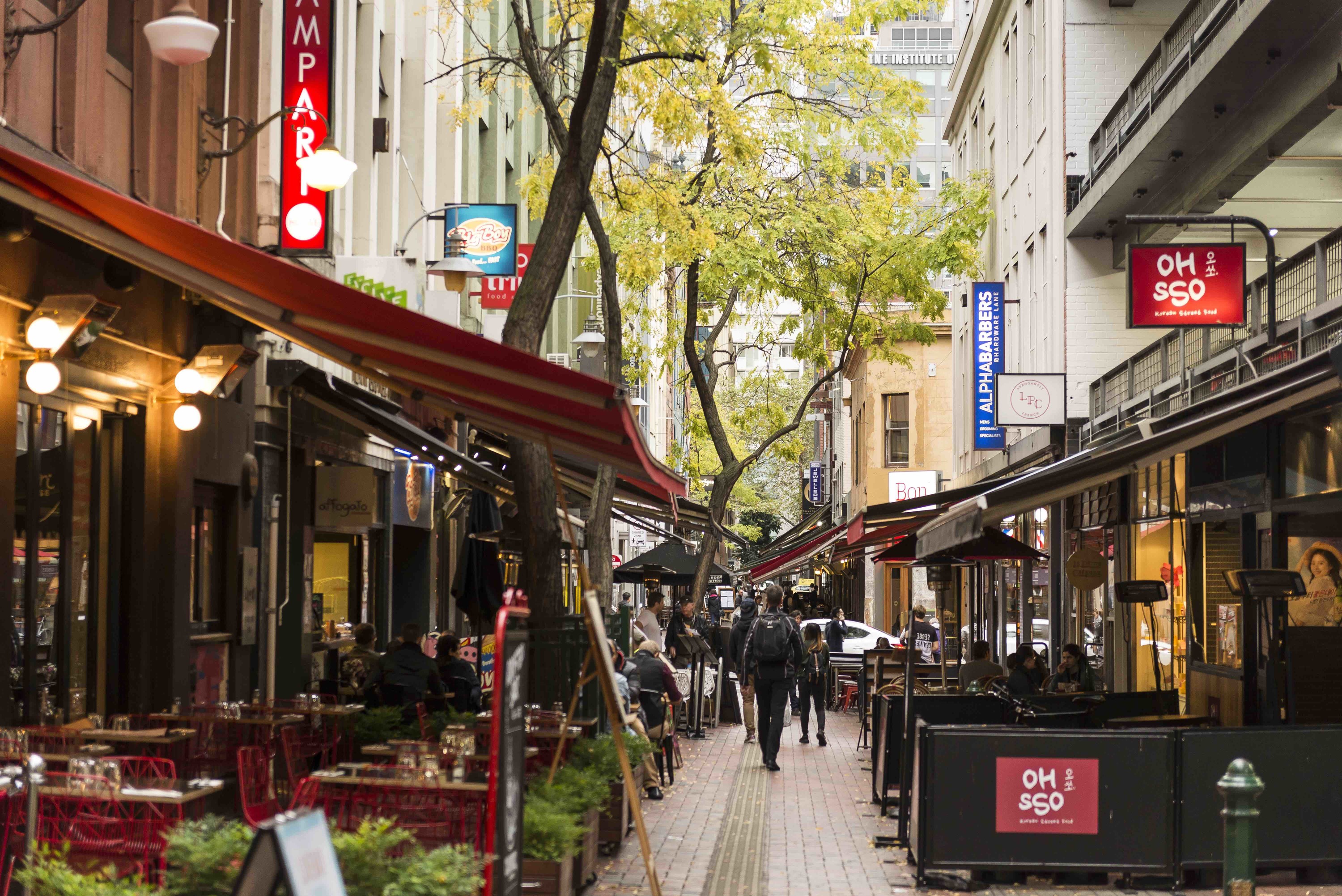
When I travel and closely study new urban development districts around the world, there are 6 key principles that stand out to me that seem so obvious, yet in Australasia too much of our new urban development still struggles to achieve these principles.
1. The urban design principles are underpinned by good quality squares, plazas, and even quirky little wedges of green space. View lines are shaped to create terminated vistas with subtle twists and turns in the street network which add so much character. The urban form feels sculptural and brings joy to the soul just walking around them. They are compact and inherently mixed use, and are genuinely walkable communities.
2. Individual buildings are considered as part of a collective streetscape rather than every building trying to be a ‘hero’. This results in much more harmonious, integrated streetscapes where it feels more about ‘us’ than ‘me’. This is not only a more economical way to build, the buildings are less likely to date. Some particular buildings are elevated to create distinct architectural features or destinations which can serve as landmarks and simple way finding nodes.
3. The materials, textures and forms are simple and elegant, and they seem to evoke a feeling of familiarity and warmth through the extensive use of the humble brick rather than commercial and austere finishes. Roof forms are considered with a mix of pitched roofs and varying parapet heights which serve to create more interesting character.
4. Cars are not visually dominant as the places and streets are designed around humans, not cars. There are no visible on-grade car parking lots fronting big box retailers. Parking for both residential and retail is all integrated in ‘de-coupled’ multi-deck parking structures that are of architectural merit themselves. This is not only a more economical way to build, but it also serves to promote more focused pedestrian footfall past key retail areas. There is the sound of birdsong, people talking, laughing , singing , weeping. Children play in streets , squares and pocket parks.
5. Supermarkets are smaller in form and much more frequent. They feel more like a local grocer at the heart of a village centre rather than a cookie cutter big box template store. Fine grain retailers seem to exist fine in a street based format and add character to the streets, local markets take over streets in local neighbourhoods and food is local and distinctive and these are in climates much colder than Christchurch.
6. Apartment living is integrated everywhere and is the desirable norm, but it is predominantly only medium rise up to 4-6 levels, with a few exceptions for height on key buildings which works to provide a more comfortable neighbourhood scale. There is a happy mix of people of all ages, and socio/economic/cultural backgrounds living in the same neighbourhood , using the same amenities, schools and medical care. There is clean water, healthy affordable homes and clean air.
These 6 principles could be used to define ‘new urbanism’, but I don’t think it is new…cities and neighbourhoods have been getting developed this way in older cities worldwide for hundreds of years.
It’s time to bring more development like this to Australasia to truly deliver 15 minute WALKABLE neighbourhoods/ villages in our growth areas, not 15 minute DRIVEABLE neighbourhoods. With this comes an ownership of that village and its commons by all the residents. A devolvement of power and local city maintenance to the village level and a network of villages connected by common culture, public transport and connected green spaces to create a devolved city of villages .
Adapted from a paper by Urban Historian Dean Landy
Related Articles


Common
Ground

